


Category: Blog
-
Fibromyalgia is not an imagined syndrome – it is an indicator of deeper dysregulation
Fibromyalgia is more common than many people think Fibromyalgia is not a rare condition, even if it is still dismissed in public perception and in many medical settings as an exception or as female hypersensitivity. Estimates suggest that around two to four percent of the population are affected. Women are diagnosed far more often than…
-
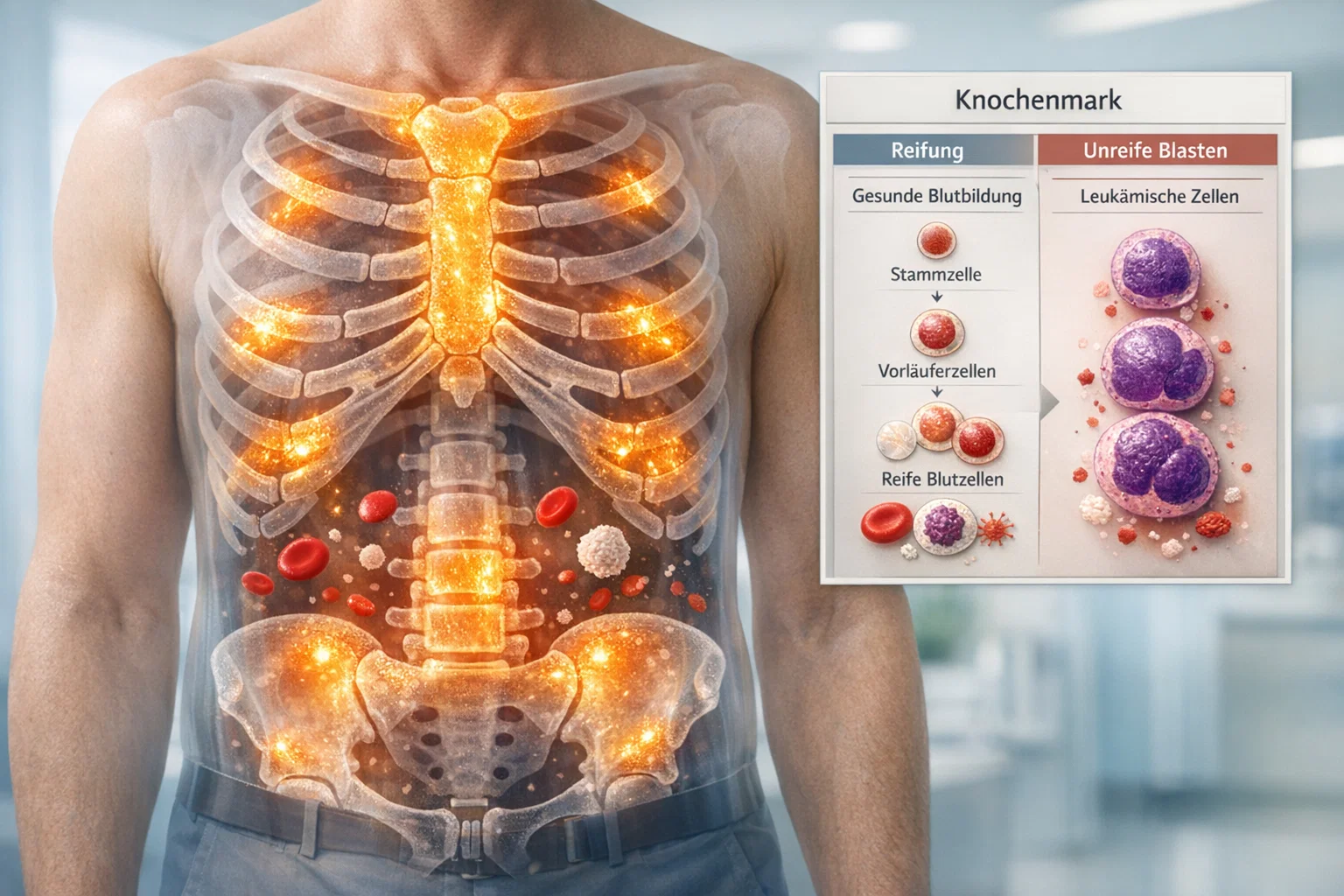
Leukemia holistically considered – How a system gets out of balance
In conventional medicine, leukemia is considered a disease of the blood or, more precisely, of the bone marrow, where our blood cells are formed. At this level, it is a disorder of the hematopoietic stem cells, which normally give rise to red blood cells, platelets, and various types of immune cells. In leukemia, this process…
-
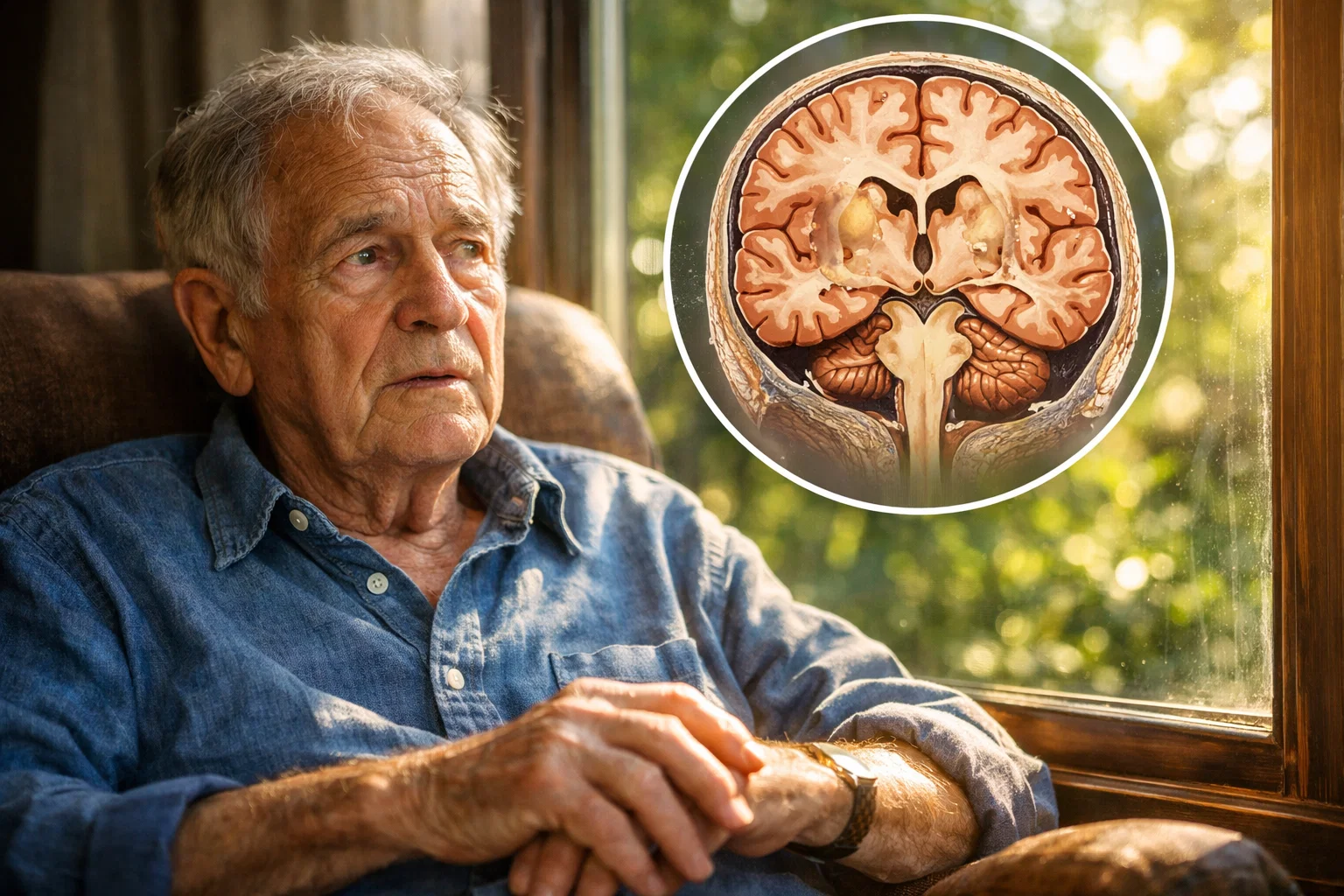
Holistic view of dementia – Why it rarely arises suddenly and what we overlook much earlier
Dementia is still regarded as a fate of old age, as something that simply happens at some point, inevitably, genetically determined, and without being able to influence it. This view is convenient, but falls far short. It completely ignores what research and clinical experience have been showing for years: in most cases, dementia is not…
-
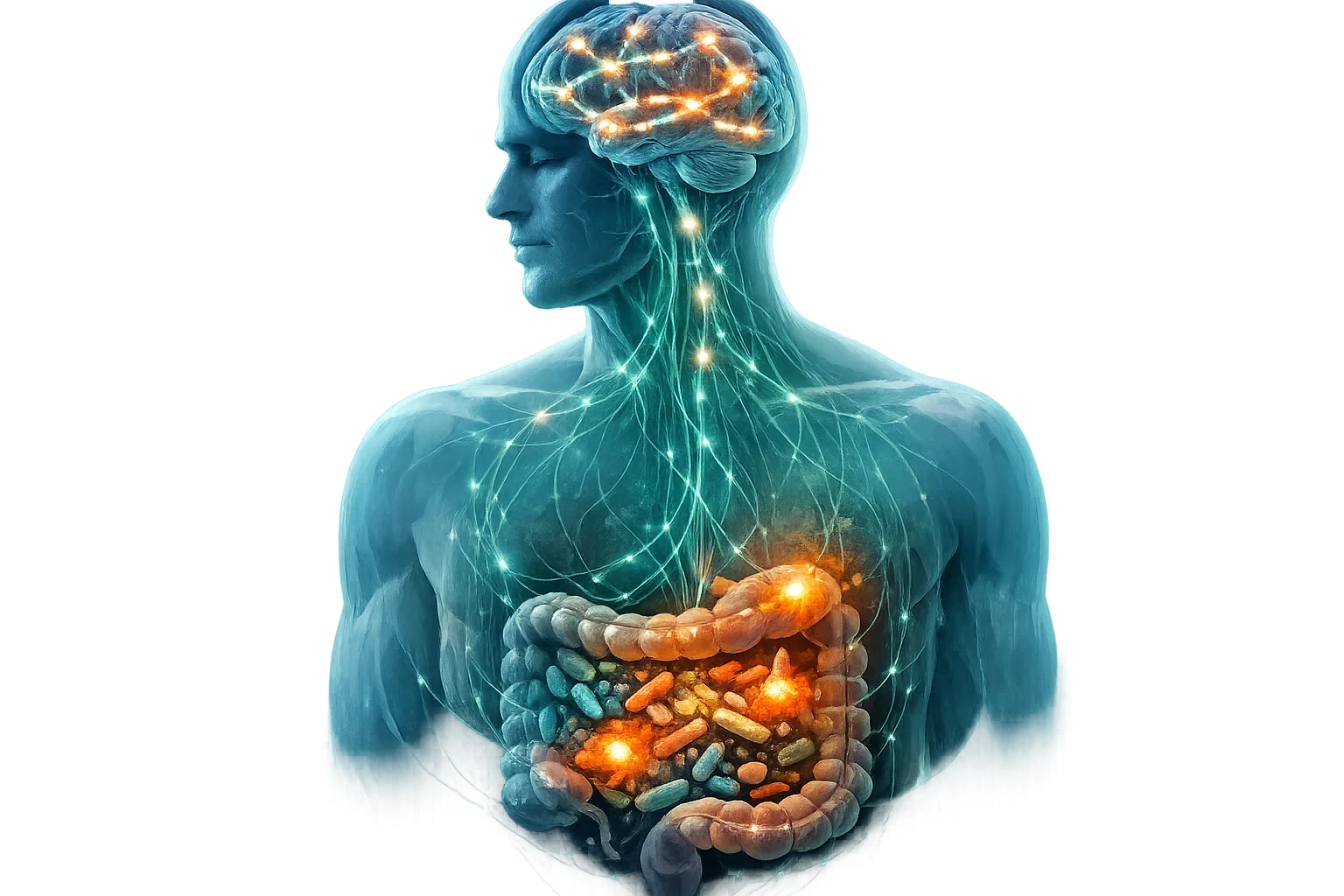
Holistic thinking about depression because it is never only the mind
I was honestly surprised by the many responses to my endometriosis article and by how strongly more visibility is desired, which is very understandable. And since endometriosis is also more often first diagnosed as depression when doctors do not know what to do next, it is only consistent that we now look at the topic…
-
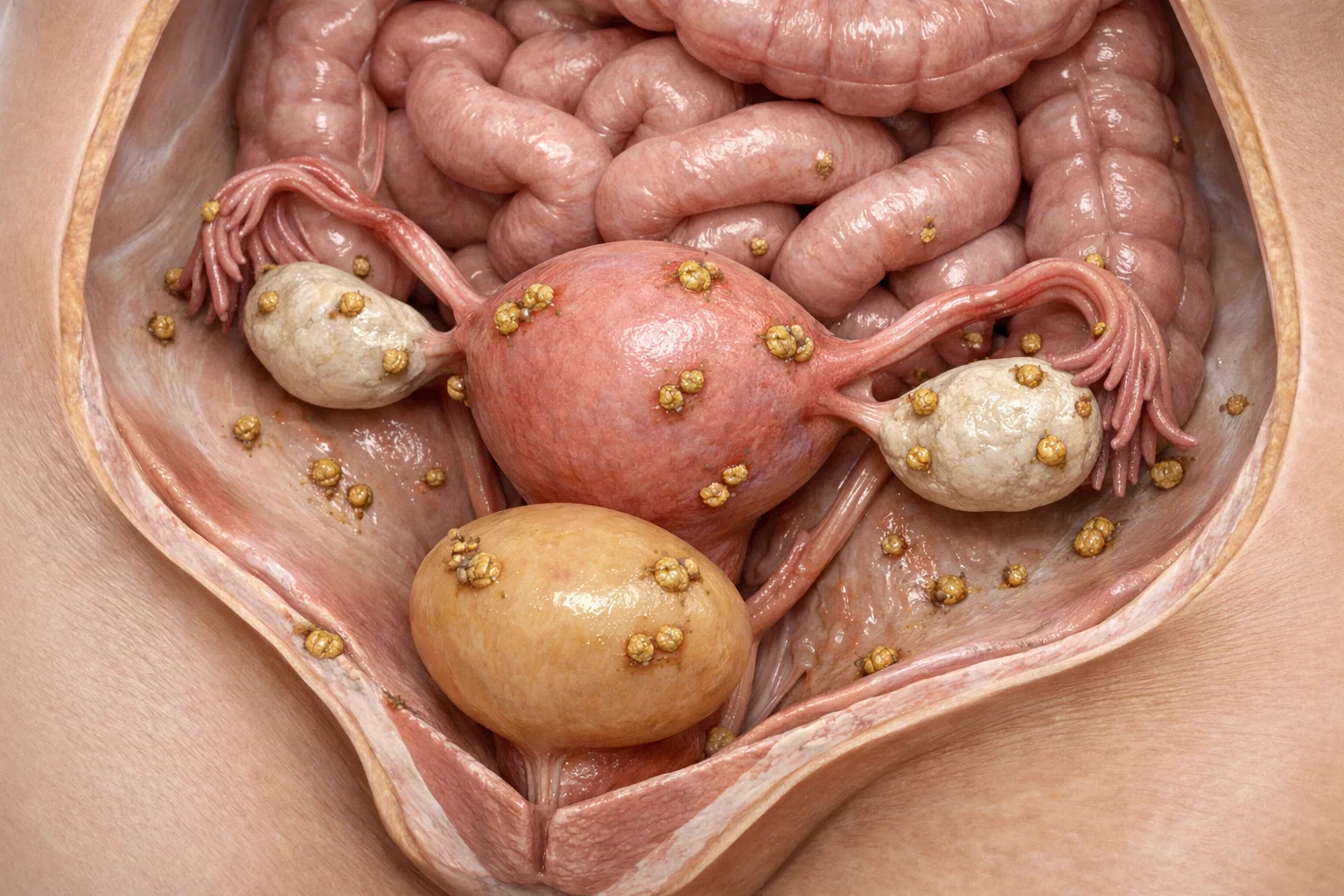
Endometriosis
Endometriosis is not a whim of the body, it is a response to years of medical ignorance Endometriosis is not a rare condition Endometriosis is not a rare condition, even if it is still treated as if it were. Estimates suggest that one in ten women of reproductive age is affected, and some studies even…
-
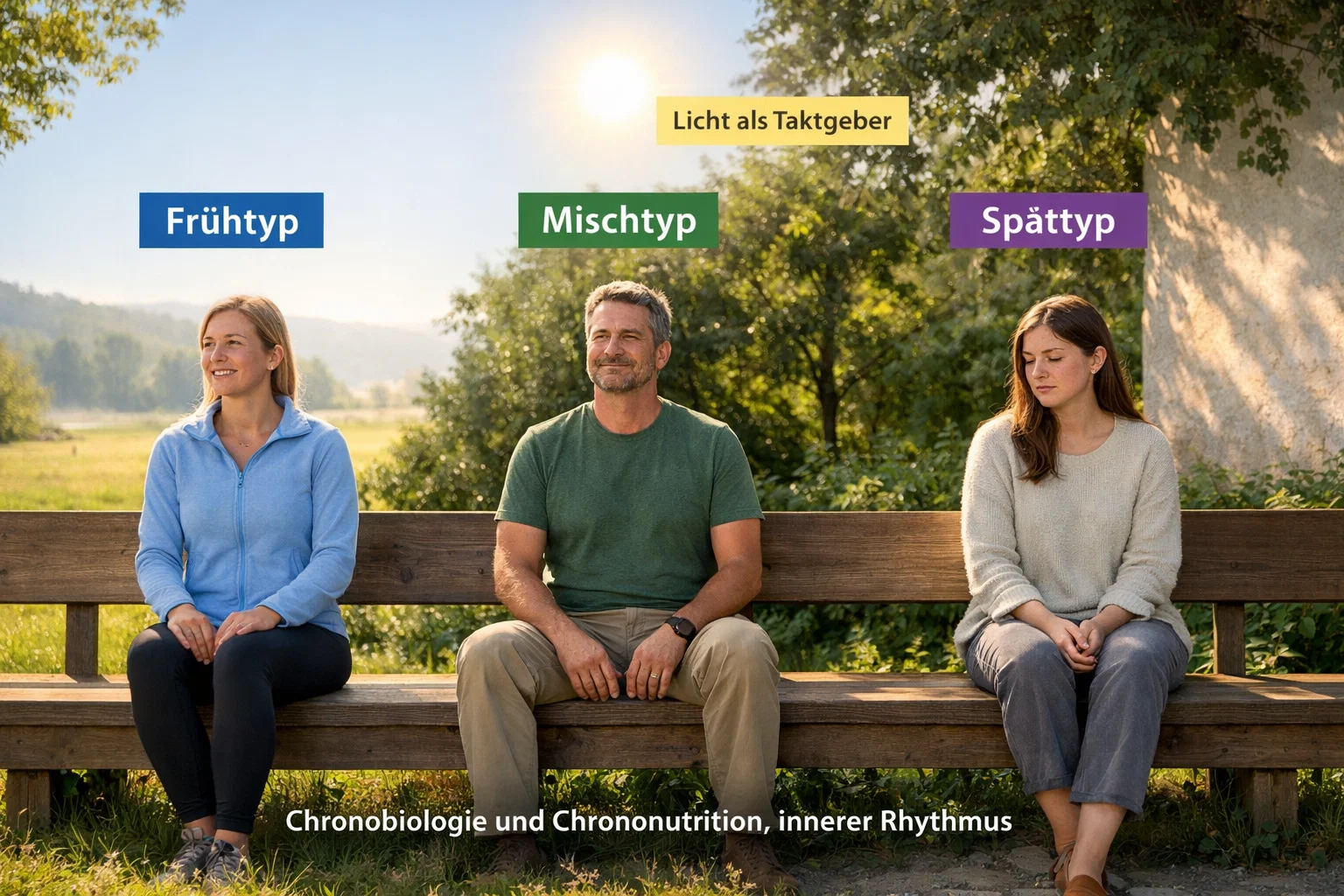
Chronobiology & Chrononutrition – in harmony with your internal rhythm
Every human being carries an inner tempo from birth, a rhythm that orchestrates all central processes of life: sleep, digestion, hormone production, metabolism, energy distribution, regeneration, and learning processes follow these rhythms. From adolescence onward, these so called chronotypes, which are genetically anchored, stabilize to a large extent, yet they remain variable across the lifespan.…